

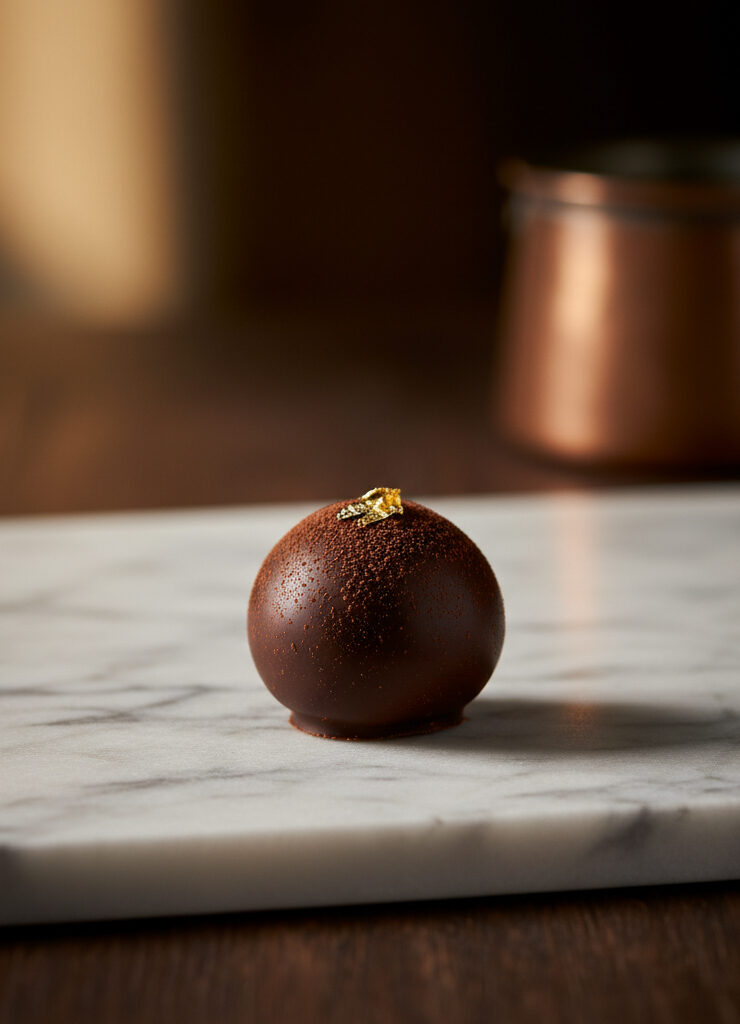
Chocolate has a history far richer and more complex than its simple role as a sweet treat might suggest. While most people are familiar with the ancient origins of chocolate, the story that follows focuses on its journey in modern history and the remarkable ways it has been used and transformed.
When cacao first arrived in Europe, it underwent a profound transformation. What was once a bitter, spicy drink became a sweetened indulgence enjoyed by the aristocracy. Sugar, cinnamon, and later milk were added to create a luxurious beverage that symbolized status and refinement. Chocolate was no longer just nourishment; it became a social currency consumed in salons and royal courts where etiquette and presentation mattered as much as taste.
The nineteenth century brought industrialisation and innovation that changed chocolate forever. Inventors such as Coenraad van Houten, who developed a cocoa press to separate cocoa butter from solids, and Daniel Peter, who combined chocolate with milk to create the first milk chocolate, paved the way for chocolate to leave the exclusive realm of the elite. Rodolphe Lindt’s conching process gave chocolate a smooth texture that made it appealing to a wider audience. By the end of the century, chocolate was no longer a privilege but a treat that middle-class families could enjoy. It appeared in bars, baked goods, and confections, establishing itself as both a culinary and social commodity.
The twentieth century demonstrated chocolate’s functional power as well as its emotional appeal. During the world wars, chocolate was issued to soldiers as a high-calorie ration to sustain energy and morale. The American D ration, British tropical chocolate, and German ersatz chocolate were designed to be dense, long-lasting, and nutritious. Chocolate even became a tool of espionage, with some bars secretly containing maps or compasses to aid agents operating behind enemy lines. At this time, chocolate was valued not only for pleasure but for survival and psychological support.
In the post-war decades, chocolate evolved once again, this time as a global consumer product. Companies such as Hershey’s, Nestlé, and Cadbury marketed chocolate as a symbol of love, happiness, and indulgence. Television advertising helped cement chocolate in the public imagination as an emotional experience. Innovation continued with filled chocolates, aerated bars, and convenient packaging, allowing chocolate to become a ubiquitous treat.
By the late twentieth and early twenty-first centuries, chocolate had become an object of artistry and lifestyle. Artisanal chocolatiers and bean-to-bar makers emphasized single-origin cacao and sophisticated flavor combinations. Chocolate tasting became an experience akin to wine tasting, complete with notes on origin, aroma, and texture. Health trends highlighted dark chocolate for its antioxidant content while ethical awareness brought fair trade and sustainability to the forefront of premium chocolate branding. Today chocolate is simultaneously indulgence, wellness product, ethical statement, and cultural artifact.
The evolution of chocolate from an elite beverage to a global cultural phenomenon illustrates the ways in which food can reflect social, technological, and economic change. Its journey shows how a simple ingredient can become a tool of survival, a symbol of refinement, and a medium for artistic and ethical expression. Chocolate is far more than a treat; it is a mirror of human society and ingenuity.